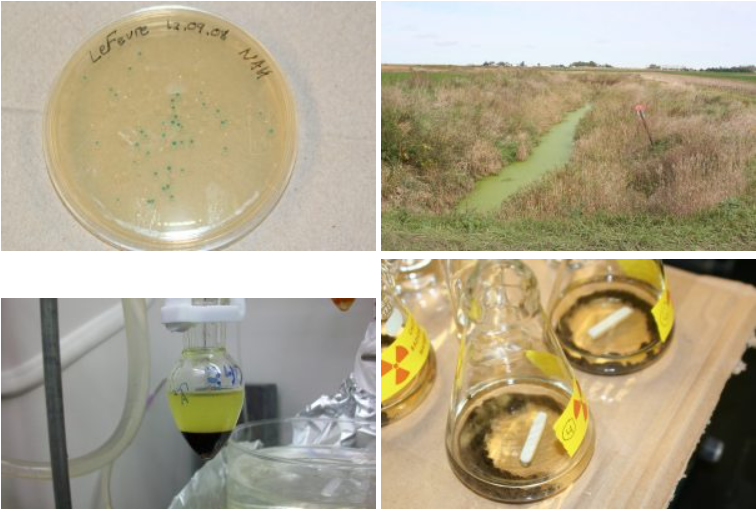
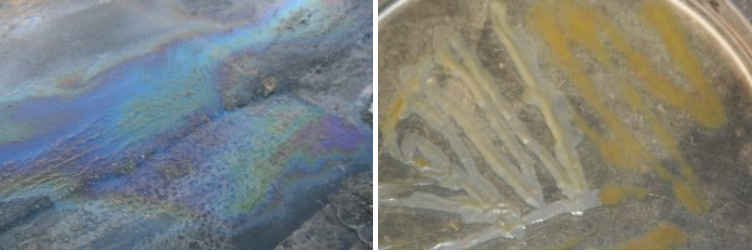
A plethora of new chemicals enter the environment each year, and often there is little understanding of their fate, effects, or transformation in the environment. Slowly, we are coming to realize that understanding transformation products (from both biological and abiotic processes) is important because these degradates can also impact aquatic life and human health. We are investigating the biotransformation of trace organic contaminants from non-point sources to better anticipate their fate as well as human / ecosystem effects. Bacteria, fungus, and plants contain powerful enzymes that transform pollutants–sometimes not into products we expect. In the past, I have studied biodegradation of hydrocarbons and trace organic contaminants present in stormwater and recycled water. Continuing and future work in this area involves application of chemical and molecular techniques to assess pollutant transformation and changes in microbial communities.
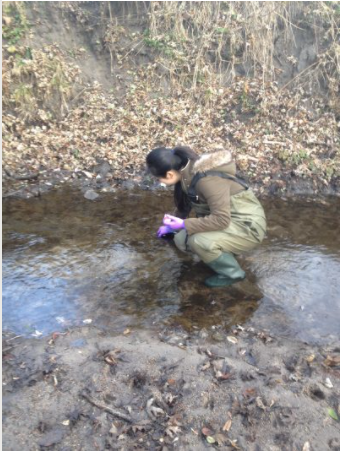
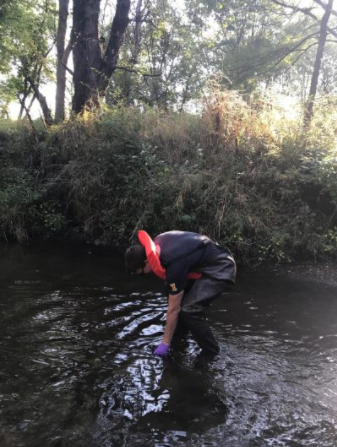
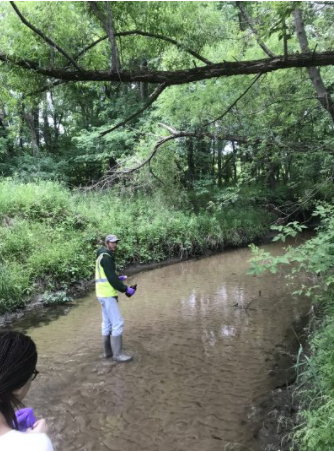
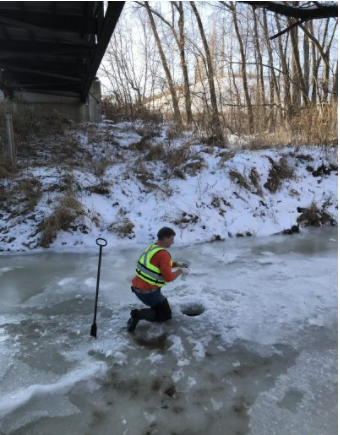
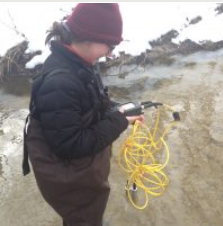
We have a project studying the fate and degradation of pharmaceuticals in an effluent dominated stream funded by a USGS NIWR National Competitive Grant (one of three awarded in 2017!). This work is in collaboration with the USGS and the Great Lakes Genomics Center in the School of Freshwater Sciences at UW-Milwaukee. The goal is the quantify spatial and temporal attenuation effects, and connect chemical concentrations to biological effects at a genetic level.
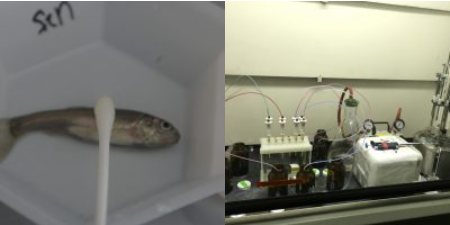
We also have emerging contaminants research related to: fungal transformation, plant uptake and assimilation, microbially active reactive surface geomedia, enzyme immobilization, development of novel water quality sensors (with Fatima Toor in Electrical Engineering), pesticide fate / transformation and treatment.